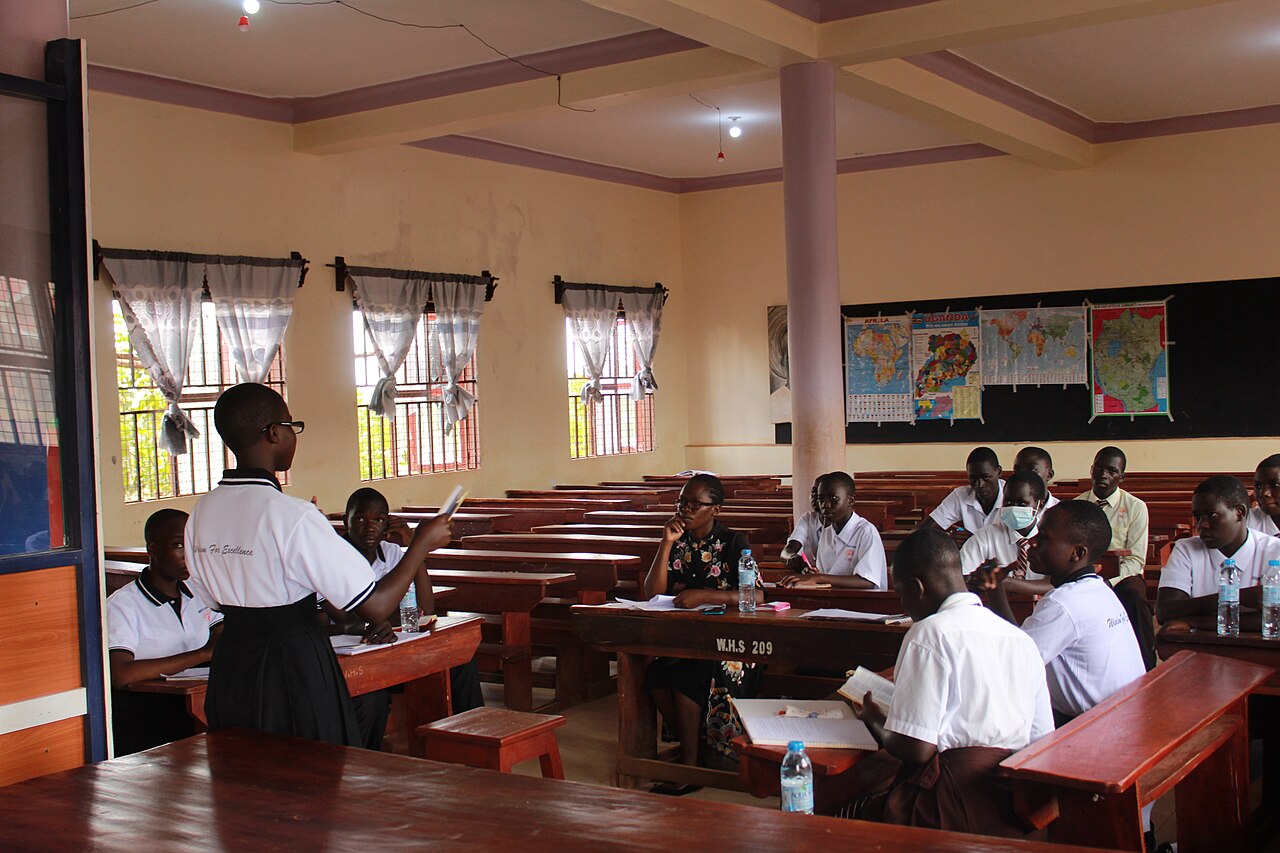
Speak so people listen
Great speakers aren't born that way. They practise a few simple habits. This page covers how to structure a speech, deliver it well, stay calm in front of an audience, and learn from six great public speakers.

The three parts of every speech
1. Content
What you say. Pick one clear main message and support it with facts, examples and stories.
2. Structure
How you organise it. A clear beginning, middle and end helps the audience follow and remember.
3. Delivery
How you say it: voice, pace, pauses, eye contact, posture and gestures.
A simple speech structure
- Hook: open with a question, a surprising fact or a short story.
- Main message: say in one sentence what you want people to believe or do.
- Three points: each with a reason and an example or piece of evidence.
- Conclusion: repeat your main message and end with a strong final line or a call to action.
A shorter version works for a one-minute MUN opening speech: an opening flourish, one main point about your country's position, and a closing flourish. See the MUN opening speech guide.
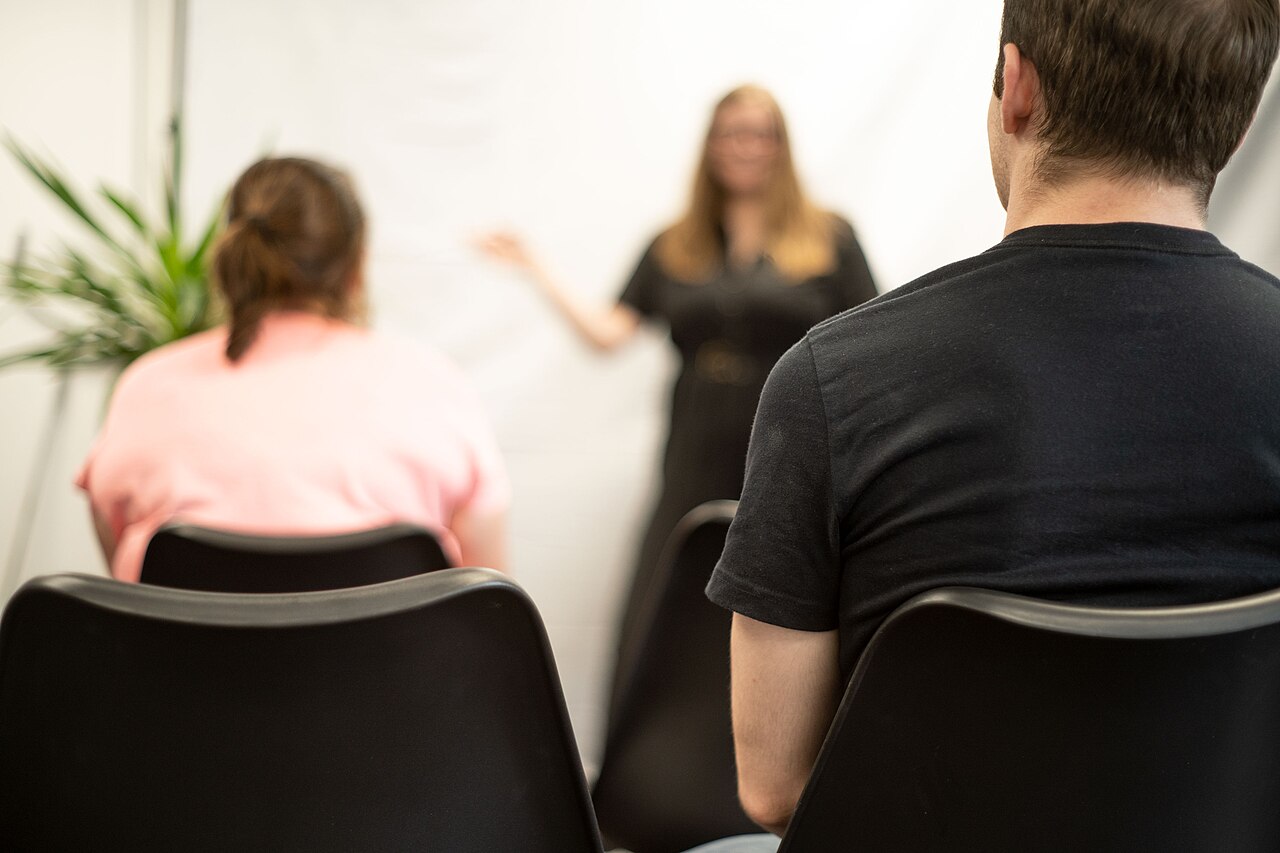
Delivery checklist
- Stand still and balanced; don't sway.
- Look at different parts of the room, not just your notes.
- Slow down. Nerves usually make people speak too fast.
- Pause before and after your most important point.
- Use open hand gestures that match what you say.
- Vary your volume and tone to keep attention.
Handling nerves
- Practise out loud, not just in your head.
- Memorise your first two sentences so you start strong.
- Take a few slow breaths before you stand up.
- Focus on your message and your audience, not on yourself.
- Remember: the audience usually can't see how nervous you feel.
Types of speeches
Informative
Explains a topic so the audience understands it, like a class presentation.
Persuasive
Convinces the audience to agree or act, like a debate or MUN speech.
Impromptu
Given with little or no preparation, like answering a question in committee.
Special occasion
Marks an event: a welcome, a thank-you or an award speech.
Six great public speakers
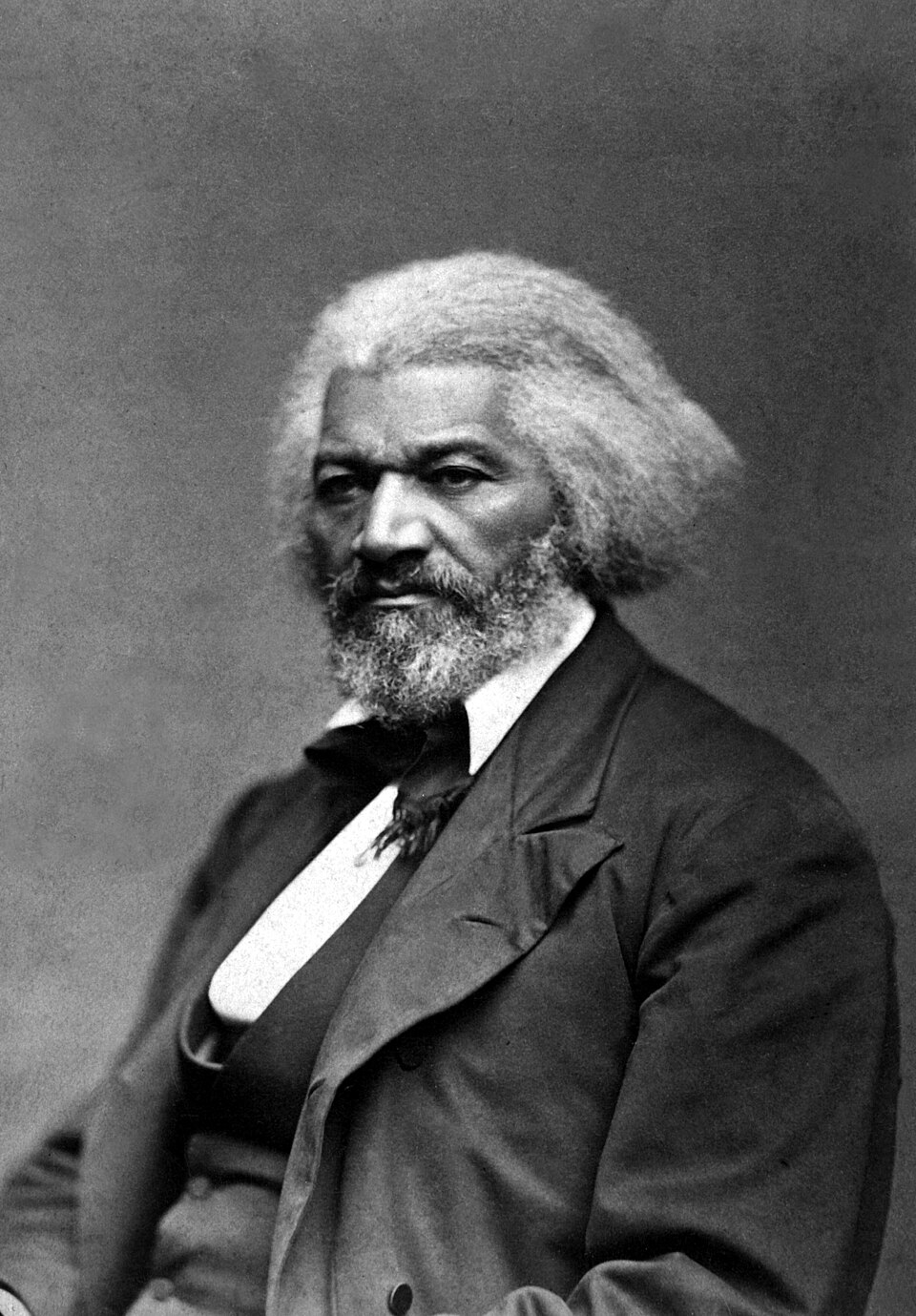
Frederick Douglass
The speech: “What to the Slave Is the Fourth of July?”, given on 5 July 1852 to about 500 to 600 people at Corinthian Hall.
What made it great: invited to celebrate American independence, he used that very occasion to ask, “What, to the American slave, is your 4th of July?” One question made the audience see their own celebration through someone else's eyes, and he said a hard truth to the people who most needed to hear it.
▶ Watch on YouTubeNo recording exists from 1852. This is a reading by actor James Earl Jones, from Democracy Now!
Portrait: Public domain (Wikimedia Commons)
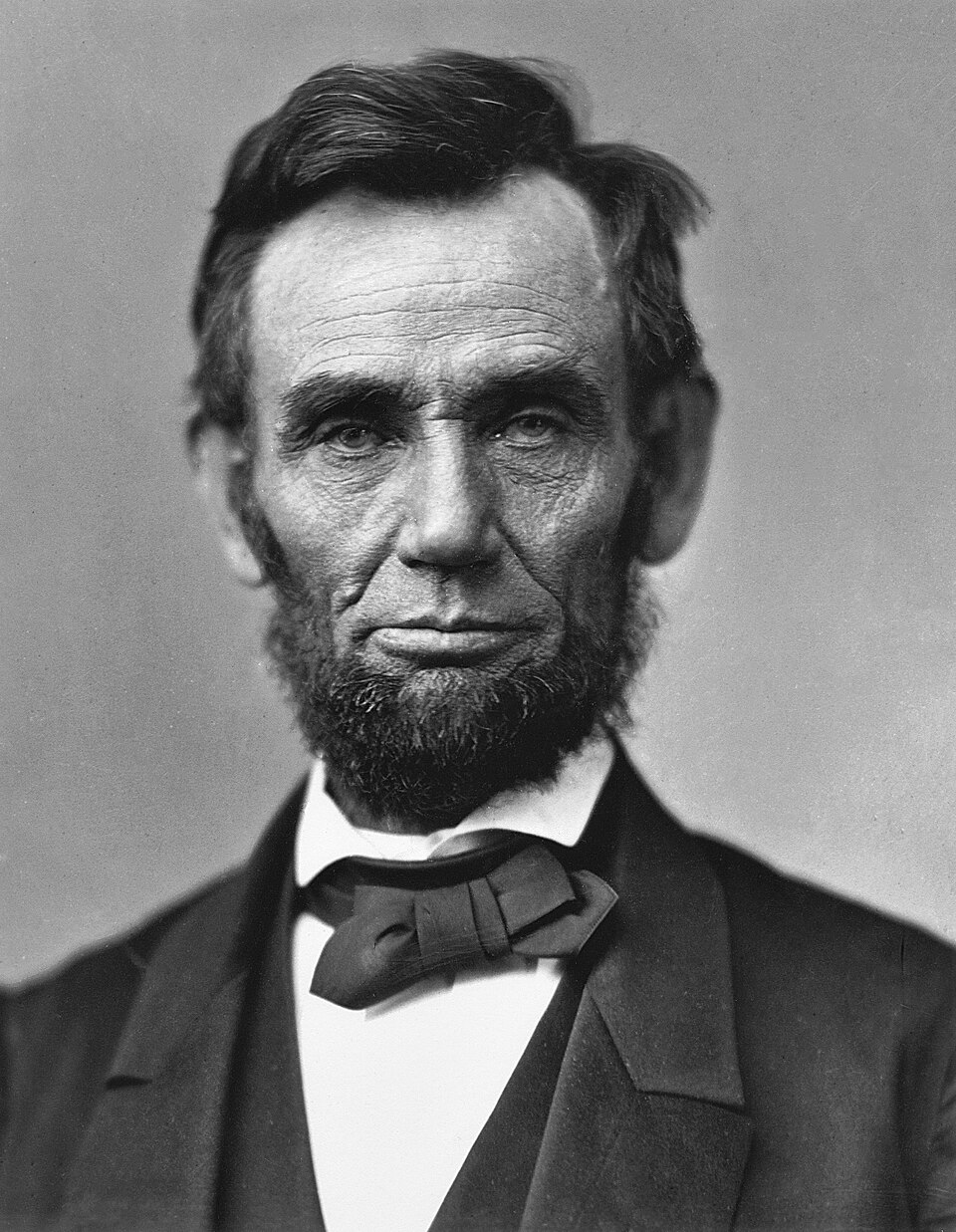
Abraham Lincoln
The speech: the Gettysburg Address, 19 November 1863. About 272 words, delivered in roughly two minutes, after the main speaker had talked for about two hours.
What made it great: brevity. Nobody remembers the two-hour speech; everyone remembers the two-minute one. Every sentence does a job.
▶ Watch on YouTubeNo recording exists from 1863. This is a reading from Ken Burns’ documentary The Civil War.
Portrait: Public domain (Wikimedia Commons)
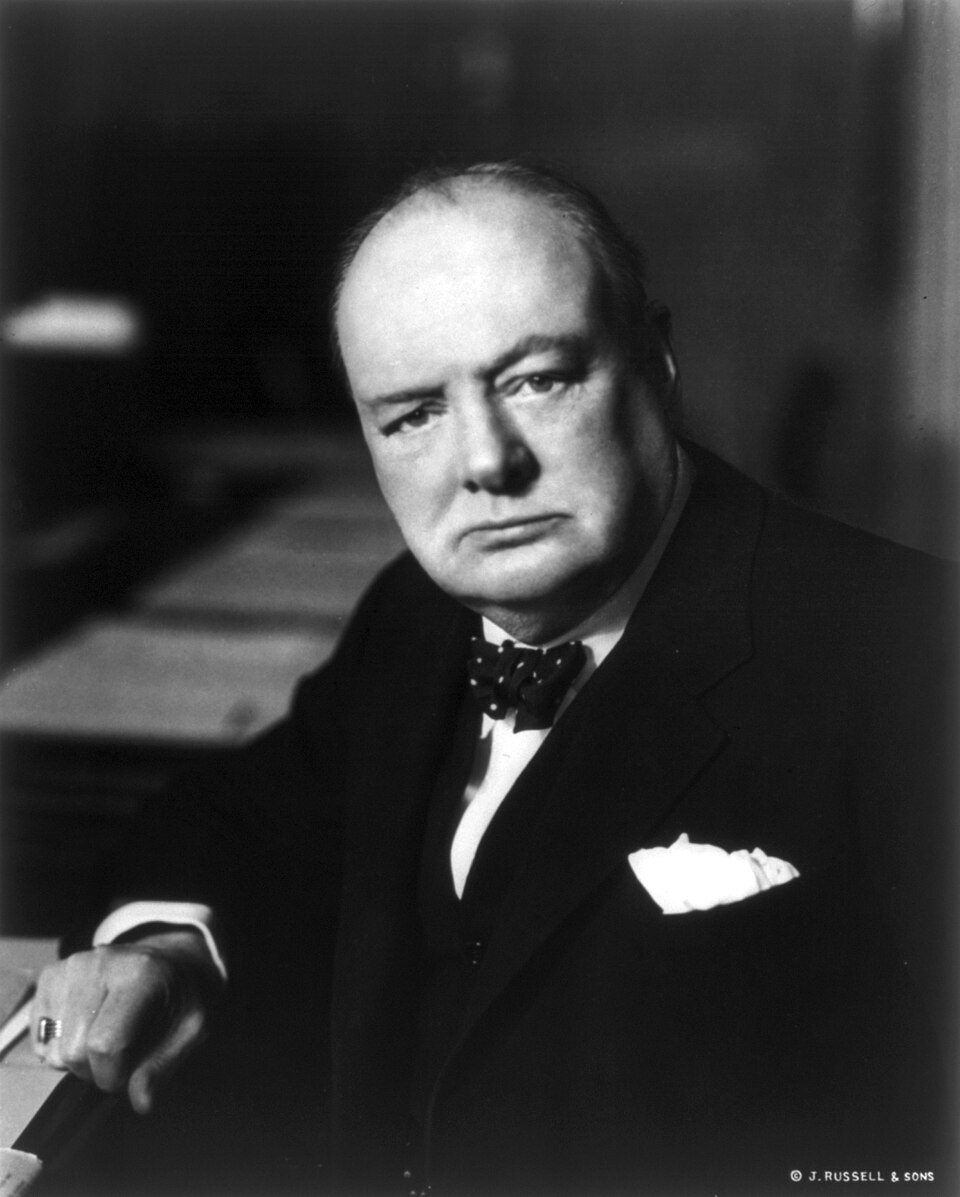
Winston Churchill
The speech: “We shall fight on the beaches”, 4 June 1940, just after the evacuation of British troops from Dunkirk.
What made it great: he was honest about bad news (“Wars are not won by evacuations”) before giving hope, and he built the ending on one repeated phrase, “we shall fight”, until it ended in “we shall never surrender.”
▶ Watch on YouTubeA film by Imperial War Museums on Churchill’s wartime speeches. The famous recording of this speech was made in 1949, not 1940.
Portrait: Public domain (Wikimedia Commons)
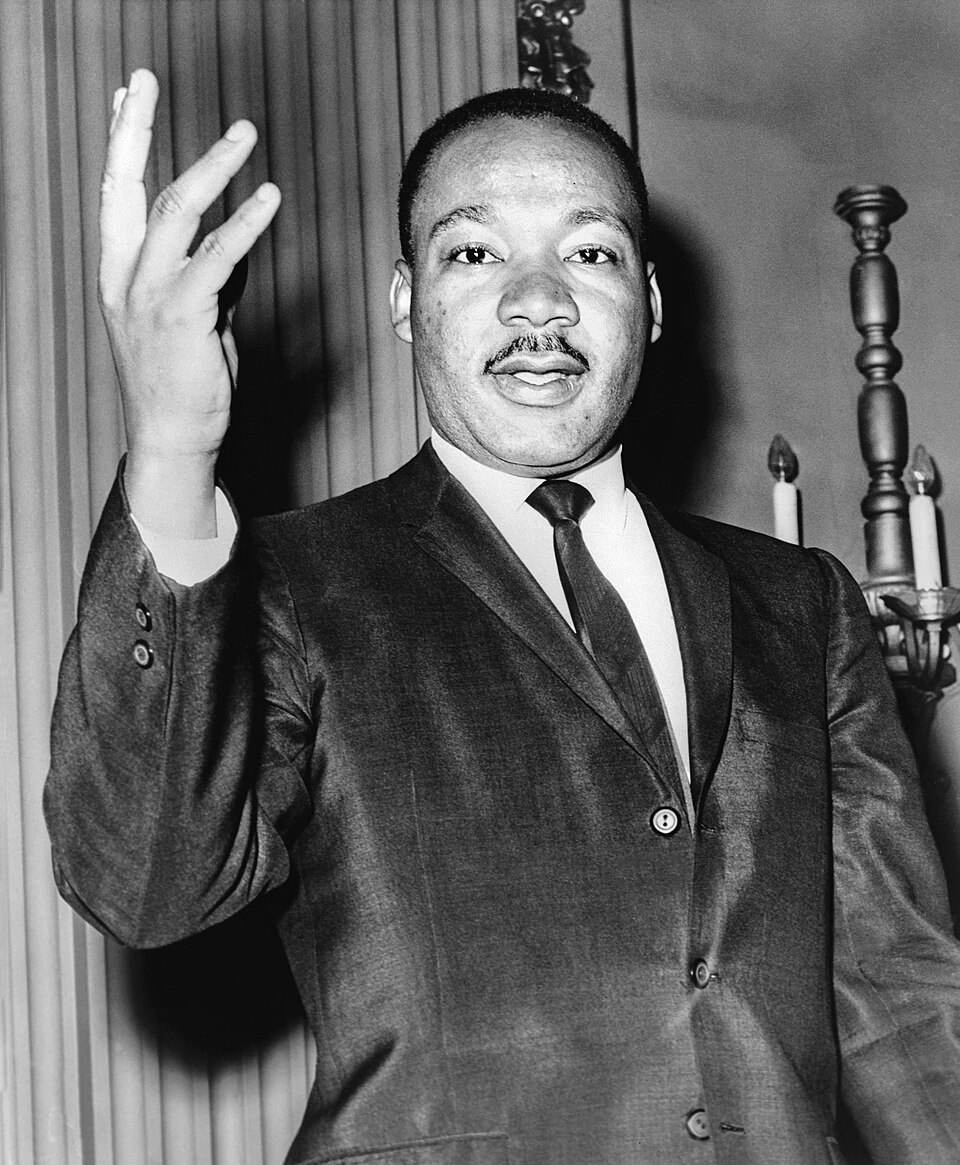
Martin Luther King Jr.
The speech: “I Have a Dream”, 28 August 1963, to an estimated 250,000 people at the March on Washington.
What made it great: the repeated line “I have a dream” and vivid pictures of a better future. The most famous part was not in his script: he improvised roughly the last six minutes of the 16-minute speech, because he knew his message deeply enough to speak from the heart.
▶ Watch on YouTubeA short clip from the American Archive of Public Broadcasting. The full recording is under copyright.
Portrait: Public domain (Wikimedia Commons)
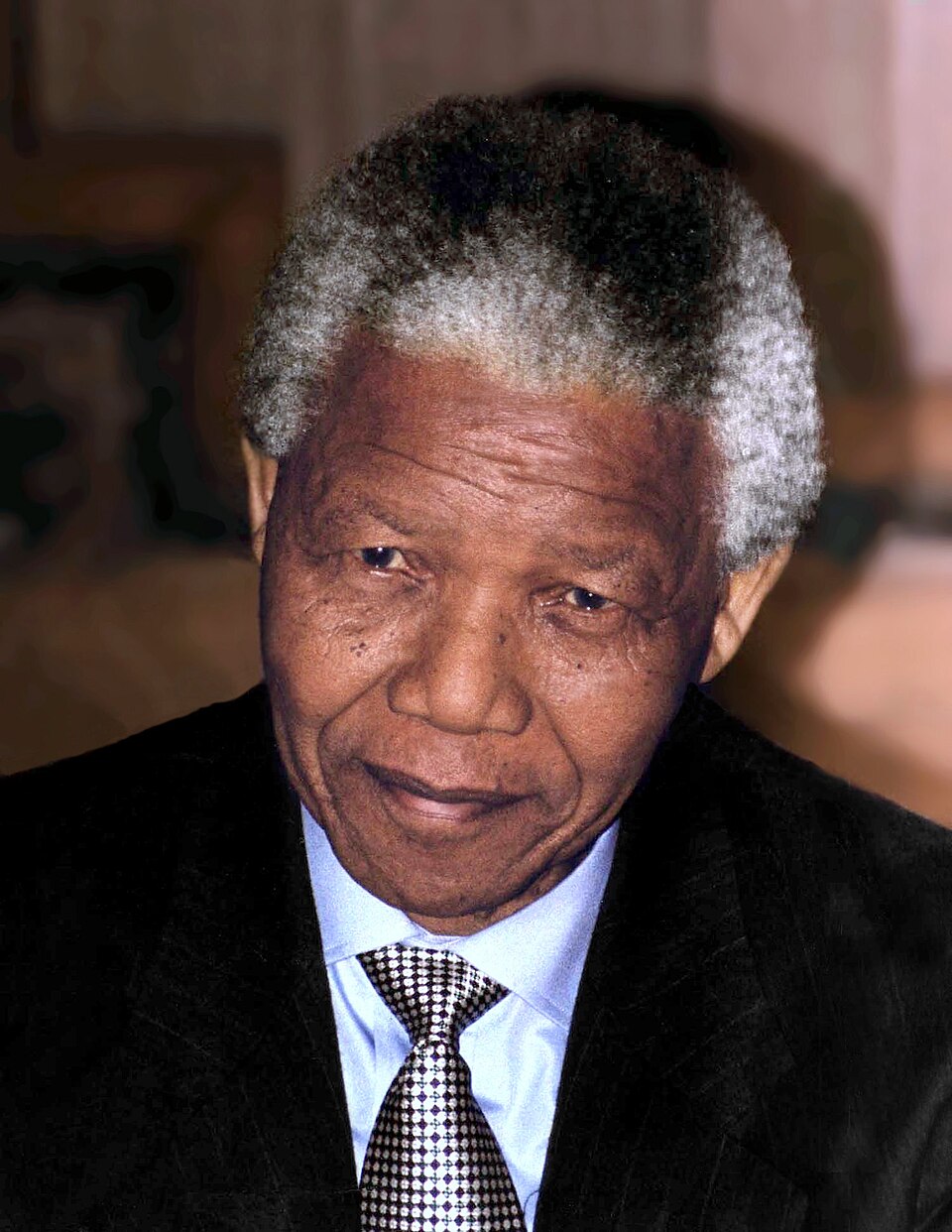
Nelson Mandela
The speech: “I Am Prepared to Die”, given from the dock on 20 April 1964 while he was on trial.
What made it great: calm, careful reasoning in the most frightening situation possible, explaining exactly why he acted, and an unforgettable last line: his ideal was one “for which I am prepared to die.”
▶ Watch on YouTubeAudio with subtitles, from South African History Online.
Portrait: Kingkongphoto & www.celebrity-photos.com, CC BY-SA 2.0, cropped (Wikimedia Commons)
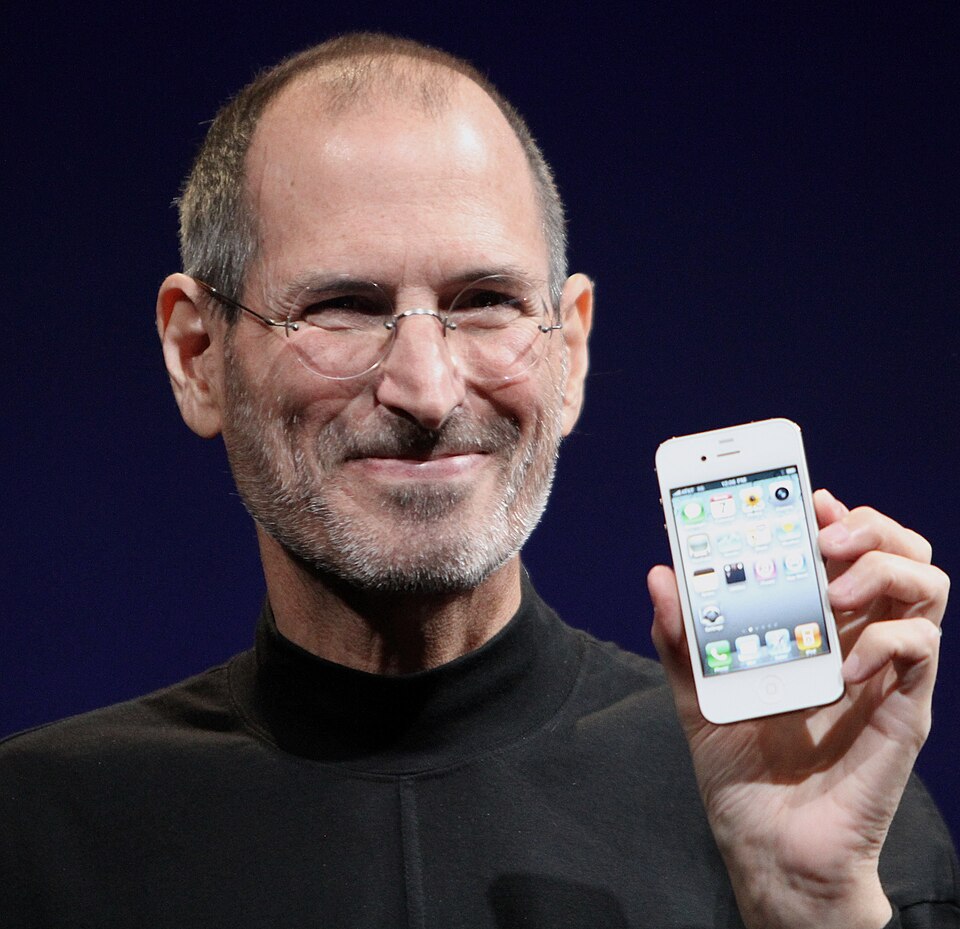
Steve Jobs
The speech: his commencement address to Stanford graduates on 12 June 2005, about 15 minutes long.
What made it great: a simple structure he announced at the start: three stories from his own life, about connecting the dots, love and loss, and death. Real, personal stories instead of general advice, and an ending line borrowed from the final issue of the Whole Earth Catalog: “Stay hungry. Stay foolish.”
▶ Watch on YouTubeThe official video from Stanford University.
Portrait: Matthew Yohe, CC BY-SA 3.0, cropped (Wikimedia Commons)
What all six have in common
- One clear message that the audience could repeat afterwards.
- Conviction: they believed every word.
- Knowing the audience and the moment they were speaking in.
- Memorable language: repetition, a striking question or a strong final line.
- Courage to say something difficult.
How to become as great as them
- Study great speeches. Read the full text, then watch or listen to the recording if one exists. Notice where the speaker pauses and repeats.
- Copy one technique a week. Brevity one week, repetition the next, a strong closing line the week after.
- Speak about things you care about. Conviction can't be faked.
- Record yourself and compare with the speeches you admire.
- Speak as often as you can. MUN, debate and class presentations are all practice.
- Ask for feedback and work on one thing at a time.
Practice drills
- 60-second impromptu: pick a random topic and speak for one minute without stopping.
- Record yourself: watch it back and note one thing to improve.
- Filler-word count: ask a friend to count every “um” and “like.”
- Mirror rebuttal: argue against your own speech to find its weak spots.