Asian Parliamentary debate
A three-on-three format widely used in Asia, with parliamentary roles: a Government that proposes the motion and an Opposition that opposes it.
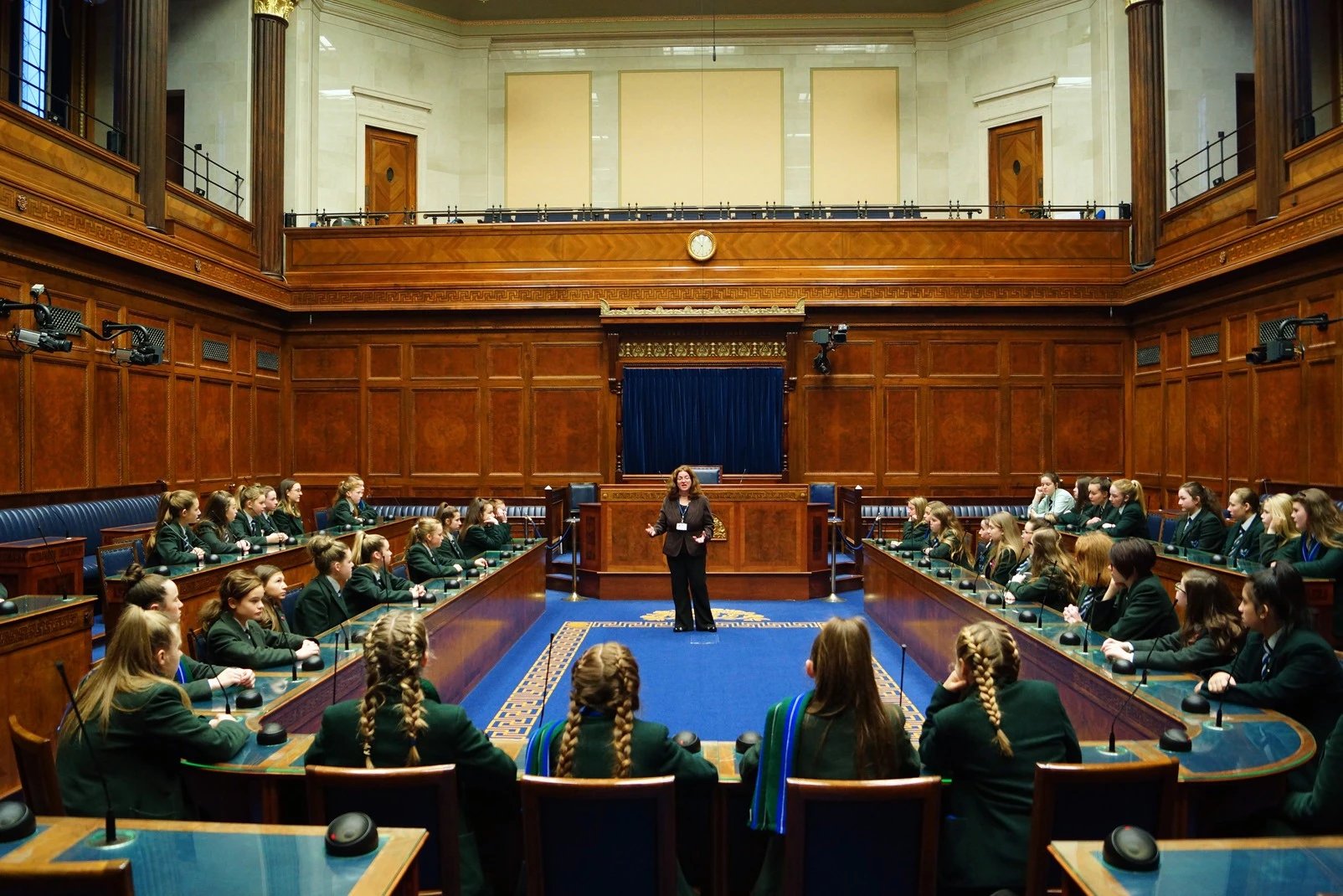
The format
- Two teams of three: the Government proposes and defends the motion; the Opposition argues against it.
- Six constructive speeches of 7 minutes, then two reply speeches of about 4 minutes.
- Points of information are allowed during constructive speeches.
Speaking order
| # | Speaker | Time |
|---|---|---|
| 1 | Prime Minister (Government 1) | 7 min |
| 2 | Leader of the Opposition (Opposition 1) | 7 min |
| 3 | Deputy Prime Minister (Government 2) | 7 min |
| 4 | Deputy Leader of the Opposition (Opposition 2) | 7 min |
| 5 | Government Whip (Government 3) | 7 min |
| 6 | Opposition Whip (Opposition 3) | 7 min |
| 7 | Opposition Reply | about 4 min |
| 8 | Government Reply | about 4 min |
Speaker roles
Prime Minister
Opens the debate, defines the motion, sets out the Government's case and presents its first arguments.
Leader of the Opposition
Responds to the definition, rebuts the Prime Minister, sets out the Opposition's case and presents its first arguments.
Deputy Prime Minister and Deputy Leader of the Opposition
Rebut the other side first, rebuild their own team's case, and add further arguments.
Whips
Focus on rebuttal and comparison: summarise the main clashes and show why their side is winning. Whips generally should not introduce new arguments.
Points of information
- Offered by the opposing team during constructive speeches, after the first minute and up to the sixth minute.
- The speaker may accept or decline.
- No POIs during reply speeches.
Reply speeches
- Given by the first or second speaker of each team, never the Whip.
- The Opposition replies first, then the Government.
- A reply is a summary of why your team won the debate, not a place for new arguments.
Preparation
Motions are usually announced shortly before the round, with about 25 to 30 minutes of preparation, depending on the tournament.
- Agree on the definition and the team's main stance (Government) or line of attack (Opposition).
- List arguments and pick the strongest two or three.
- Split the case between first and second speaker.
- Prepare the Whip with likely clashes and responses.
Judging
| Criterion | Weight | What it means |
|---|---|---|
| Matter | 40 | The substance: arguments, evidence and reasoning. |
| Manner | 40 | Delivery: persuasion, voice and body language. |
| Method | 20 | Structure, fulfilling your speaker role, time management and following the rules. |
Constructive speeches are scored out of 100 and reply speeches out of 50 (20 / 20 / 10). The Australia-Asia Debating Guide treats 75 as a typical speech at the expected level.
Asian Parliamentary vs World Schools
| Asian Parliamentary | World Schools (WSDC) | |
|---|---|---|
| Teams | Government vs Opposition, 3 each | Proposition vs Opposition, 3 each |
| Main speeches | 7 min | 8 min (championship) |
| Reply speeches | About 4 min, 1st or 2nd speaker, Opposition first | 4 min, 1st or 2nd speaker, Opposition first |
| POIs | After 1st minute until 6th minute | Not in first or last minute |
| Judging | Matter 40 / Manner 40 / Method 20 | Content 40 / Style 40 / Strategy 20 |
| Preparation | About 25 to 30 min | Prepared motions, or about 1 hour for impromptu |
Tips
- Prime Ministers: a clear, fair definition prevents a messy debate.
- Rebut first, then build: show the judge you are engaging.
- Whips: organise your speech by clashes, not by speaker.
- Use all your time, but finish with a clear conclusion.