World Schools debate
The format of the World Schools Debating Championships (WSDC), used by school debate tournaments around the world. Two teams of three, eight speeches, and a focus on clear, well-reasoned argument.
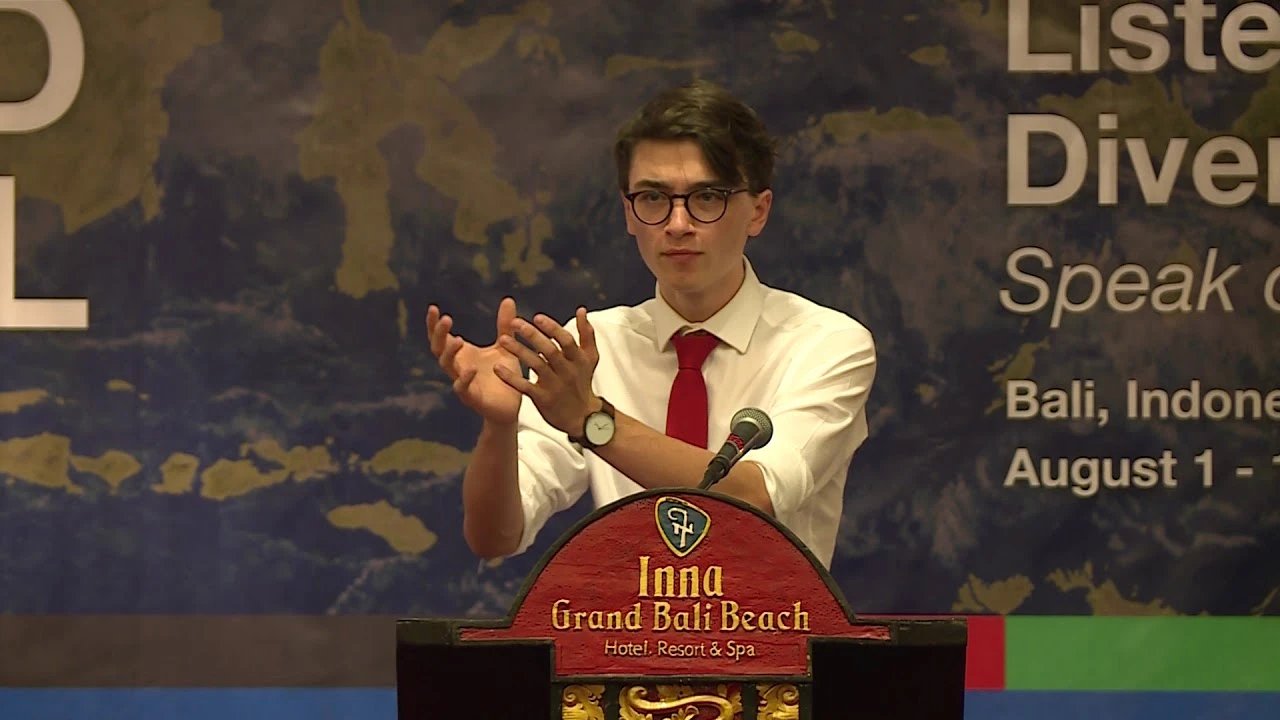
The format
- Two teams of three speakers: the Proposition (for the motion) and the Opposition (against).
- Eight speeches: six main (substantive) speeches, then one reply speech from each team.
- At championship level, main speeches are 8 minutes and reply speeches 4 minutes. Many local tournaments use shorter times, such as 5 to 6 minutes for main speeches and 3 minutes for replies.
Speaking order
| # | Speaker | Time (championship) |
|---|---|---|
| 1 | First Proposition | 8 min |
| 2 | First Opposition | 8 min |
| 3 | Second Proposition | 8 min |
| 4 | Second Opposition | 8 min |
| 5 | Third Proposition | 8 min |
| 6 | Third Opposition | 8 min |
| 7 | Opposition Reply (first or second speaker) | 4 min |
| 8 | Proposition Reply (first or second speaker) | 4 min |
Reply speeches are given by the first or second speaker, never the third. The Opposition replies first, so the Proposition has the last word.
Speaker roles
First speakers
- First Proposition: defines the motion, sets out the team's overall approach and how arguments are split, and presents the first arguments.
- First Opposition: responds to the definition, rebuts the first Proposition speech, sets out the Opposition's approach and presents its first arguments.
Second speakers
Rebut the other side, rebuild their own team's case against attacks, and add new arguments.
Third speakers
Focus on rebuttal: identify the main areas of disagreement (clashes) and show why their team wins each one. Most rules discourage new arguments at this stage, though new examples to support existing points are often allowed.
Reply speakers
Give a summary of the debate from their team's side: the key clashes, the other team's case and why their own team won. No new arguments, and no POIs.
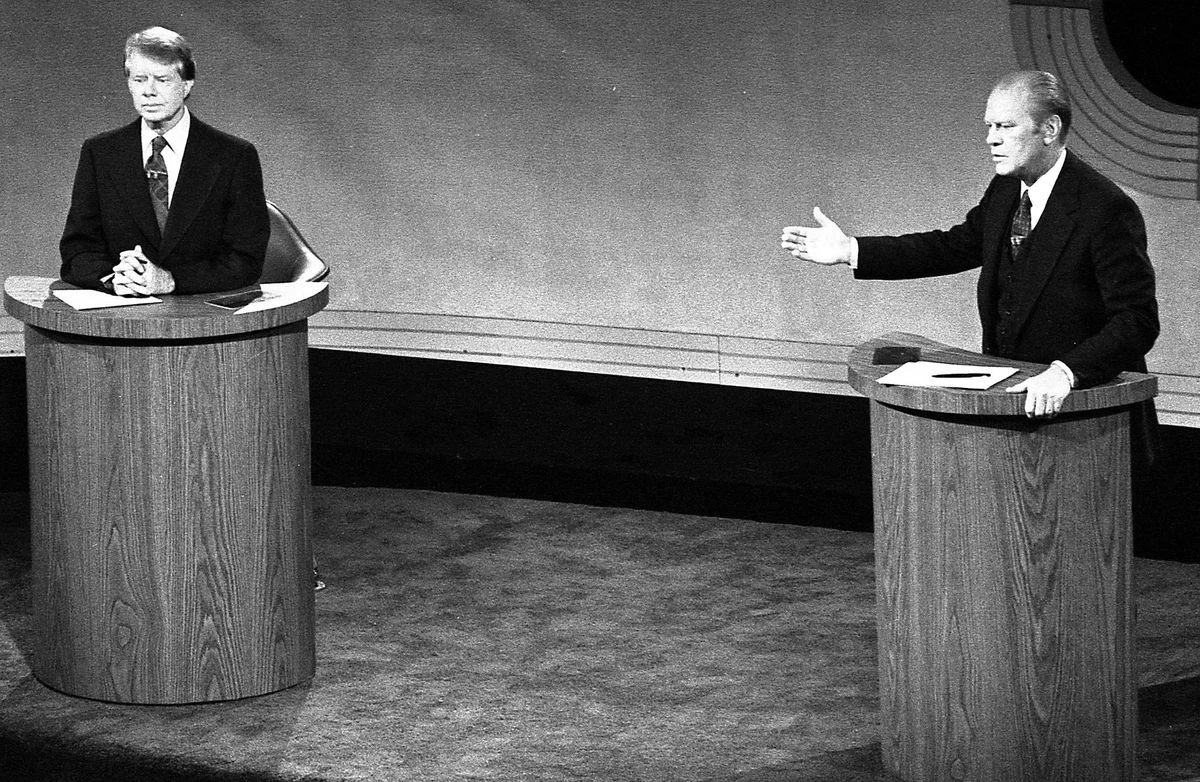
Points of information (POIs)
- Members of the other team can stand and offer a short question or point during main speeches.
- The first and last minute of each main speech are protected: no POIs. Reply speeches are fully protected.
- Each POI lasts up to about 15 seconds.
- The speaker decides whether to accept. Speakers are generally expected to accept one or two.
Motions
Prepared and impromptu
- Prepared motions are announced in advance, so teams can research.
- Impromptu motions are announced shortly before the round. Teams usually get about one hour to prepare, with only their team members and printed reference material: no internet and no coaches.
Common motion types
| Wording | Meaning |
|---|---|
| This House believes that (THBT) | Debate whether a statement is true or good. |
| This House would (THW) | Debate whether to take a specific action or policy. |
| This House supports / opposes (THS / THO) | Debate whether something is good overall. |
| This House regrets (THR) | Debate whether the world is worse because something happened. |
| This House prefers (THP) | Compare two options. |
Preparation (impromptu)
- Define the motion and agree on the key terms and the context.
- Brainstorm arguments for both sides, individually first, then together.
- Choose your best arguments and split them between first and second speaker.
- Predict the other side's case and plan responses.
- Write speech outlines, not full scripts.
Judging
| Criterion | Weight | What it means |
|---|---|---|
| Style | 40% | How you speak: clarity, voice, eye contact, confidence and persuasiveness. |
| Content | 40% | The quality of your arguments and rebuttal, separate from delivery. |
| Strategy | 20% | Whether you understand the key issues, and how well your speech is structured and timed. |
- Main speeches are usually scored from 60 to 80, with 70 as an average speech.
- Reply speeches are scored out of 50 (20 style, 20 content, 10 strategy), with about 35 as average.
Tips
- Use principles and practical consequences: explain why something is right and what will actually happen.
- Signpost: tell judges how many points you have and which one you're on.
- Engage with the other side's best argument, not their weakest.
- Offer POIs regularly; they keep you engaged and can expose weaknesses.
- Work as a team: your case should feel like one argument told by three people.