Public Forum debate
A two-on-two format from the U.S. National Speech & Debate Association (NSDA), built around current-events topics and designed to be understood by judges without formal debate training.
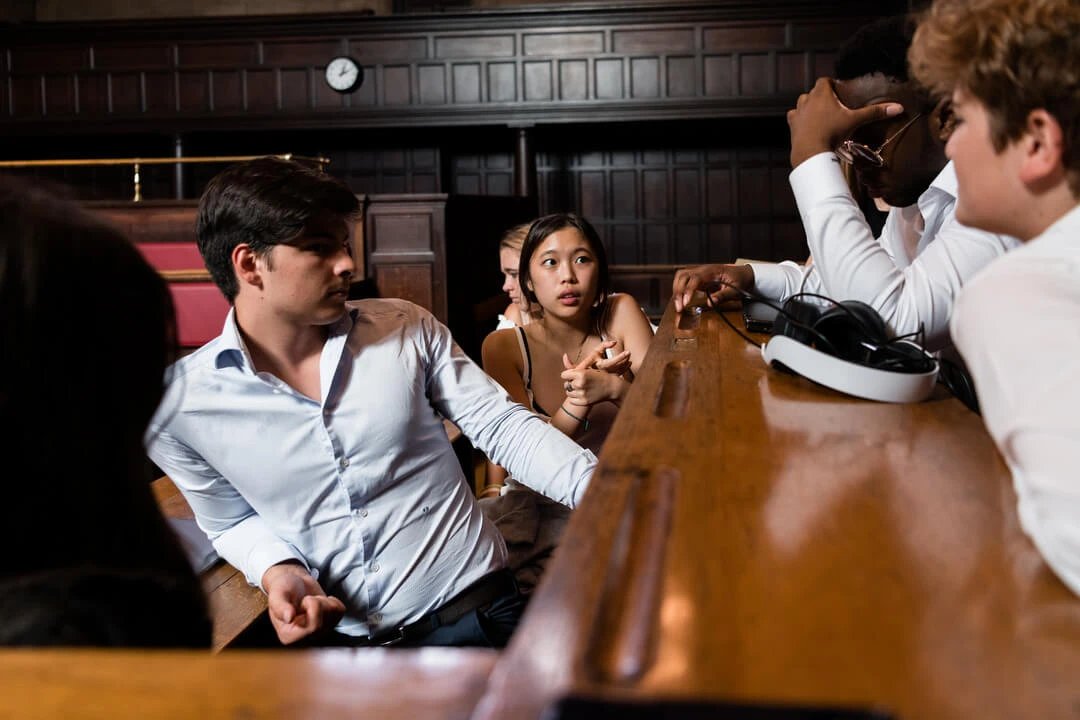
The format
- Two teams of two: one argues Pro (for the resolution), the other Con (against).
- The resolution (topic) is about a current issue and changes every one to two months.
- Debaters ask each other questions directly in crossfire periods.
- Each team has 3 minutes of prep time for the whole round, to use whenever it wants before its own speeches.
- Judges are often community members without formal debate training, so clear, persuasive explanation matters.
The coin flip
Before the round, a coin flip decides who chooses. The winner picks either the side (Pro or Con) or the speaking position (first or second). The other team makes the remaining choice.
Speaking order
| # | Speech | Time |
|---|---|---|
| 1 | First team, Speaker 1: Constructive | 4 min |
| 2 | Second team, Speaker 1: Constructive | 4 min |
| 3 | Crossfire (both first speakers) | 3 min |
| 4 | First team, Speaker 2: Rebuttal | 4 min |
| 5 | Second team, Speaker 2: Rebuttal | 4 min |
| 6 | Crossfire (both second speakers) | 3 min |
| 7 | First team, Speaker 1: Summary | 3 min |
| 8 | Second team, Speaker 1: Summary | 3 min |
| 9 | Grand Crossfire (all four debaters) | 3 min |
| 10 | First team, Speaker 2: Final Focus | 2 min |
| 11 | Second team, Speaker 2: Final Focus | 2 min |
Plus 3 minutes of prep time per team.
Crossfire
- In the first two crossfires, the two speakers who just spoke ask and answer each other's questions.
- Crossfire time is shared: it doesn't belong to either debater.
- Grand Crossfire involves all four debaters, usually seated.
- Ask short, clear questions; answer directly. Being polite and composed persuades judges.
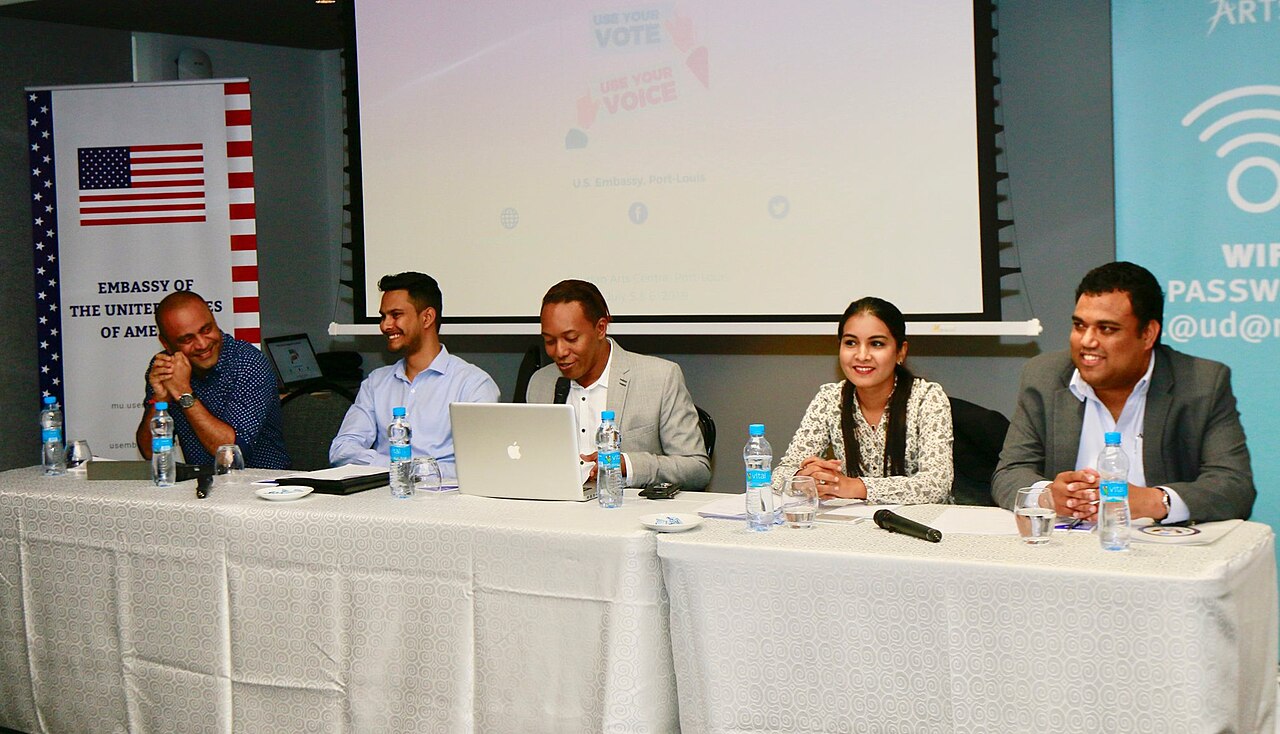
The speeches
Constructive
Each team presents its case: usually two or three main arguments (contentions), supported by evidence.
Rebuttal
Respond to the other team's case and, as the round goes on, defend your own.
Summary
Narrow the debate to the most important issues and show where your team is ahead.
Final Focus
A short closing speech giving the judge the clearest reasons to vote for your team.
Judging
The judge decides which team made the better arguments in the round, not which side they personally agree with. Because many judges are not debate experts, teams that explain clearly, avoid jargon and weigh their arguments usually do best.
Tips
- Research both sides: you may have to argue either.
- Use credible, recent evidence and explain why it matters.
- Make your summary and final focus agree: the same key issues, in the same order.
- Weigh: tell the judge why your arguments matter more (bigger impact, more likely, sooner).
- Save prep time for later speeches, when you need it most.